

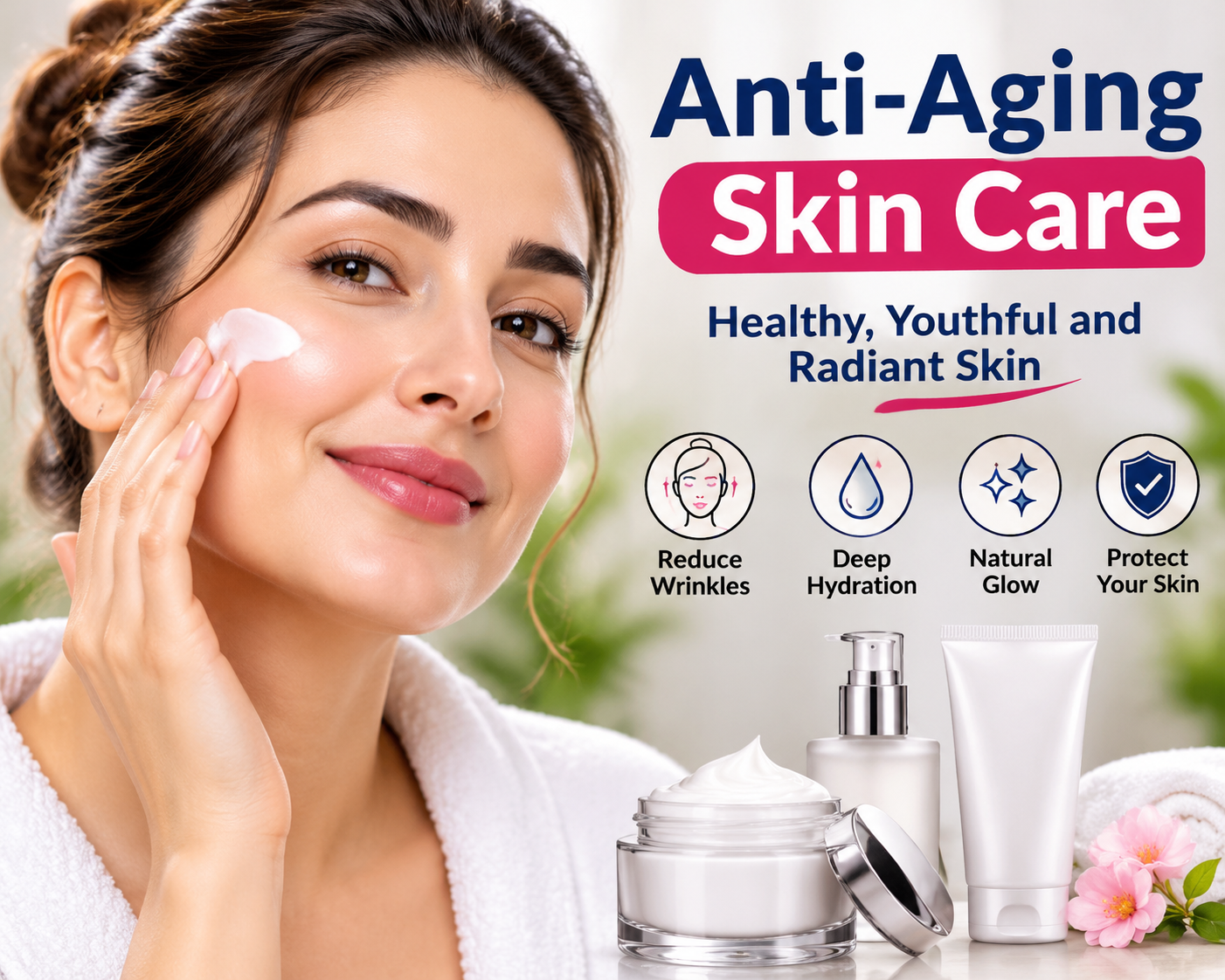
A crowded beauty aisle can make it difficult to distinguish useful skincare from persuasive packaging. Labels may feature impressive promises, yet a product is only worthwhile when its formula suits your skin, addresses a genuine concern, and can be used safely. The best anti-aging products are not necessarily the most expensive or the ones with the longest ingredient list. They are practical choices that support hydration, protect against environmental exposure, and target visible changes without overwhelming the complexion.
Begin by identifying your main priority. Someone concerned about dryness may benefit most from a moisturizer with humectants and barrier-supporting ingredients. A person noticing uneven tone might explore a well-formulated antioxidant product, while someone focused on texture may discuss retinoids with a dermatologist. Choosing one goal makes shopping more manageable. It also prevents the common mistake of purchasing several strong formulas that perform similar jobs or may irritate the skin when layered together.
Explore this range of best anti-aging products
Choose Products by Purpose
A broad-spectrum sunscreen deserves a place at the top of almost every daytime shortlist. Daily ultraviolet protection helps prevent sunburn and reduces exposure associated with premature visible skin changes. Look for SPF 30 or higher, choose a texture you enjoy wearing, and use it on the face, neck, ears, and other exposed areas. Water-resistant formulas may be helpful for swimming or exercise, but they still need to be reapplied as directed. A sunscreen that stays unused in a drawer cannot provide meaningful protection.
A dependable moisturizer is another core purchase. Glycerin, hyaluronic acid, and other humectants help draw water into the outer layers, while ceramides and emollients help support softness and reduce moisture loss. Lightweight lotions can suit combination or oily skin; creams and balms may be more comfortable for dry areas. Fragrance-free options can be worth considering if your complexion is reactive. The best anti-aging products should make daily care easier, not leave the skin stinging or uncomfortable.
The Everyday Essentials
Antioxidant serums are often selected for dullness and uneven-looking tone. Vitamin C is a familiar example, although stability, packaging, concentration, and formulation all affect how a product performs. Opaque or air-restrictive packaging can help protect sensitive ingredients from light and air. Introduce a new serum slowly and follow the label. A mild tingling sensation is not proof that a product is working; persistent burning, swelling, or redness is a reason to stop using it.
Retinoid products are widely discussed for improving the appearance of fine lines and uneven texture. They can also cause dryness, peeling, and irritation, especially when used too frequently at the beginning. Start cautiously, avoid applying more than directed, and use sunscreen during the day. If you have eczema, rosacea, very sensitive skin, or are taking prescription skin treatments, ask a qualified clinician before adding a retinoid. Retinoids should be avoided during pregnancy unless a healthcare professional advises otherwise.
Targeted Treatments and Formula Quality
Read the full ingredient list instead of relying only on front-label claims. Consider whether the formula contains known irritants for you, whether the packaging protects the ingredients, and whether the product is intended for the face or body. Check the expiry date and follow storage directions. Be wary of claims that guarantee dramatic results in a few days. Skin renewal is gradual, and individual responses differ. A realistic product description should explain its purpose without promising to erase every sign of ageing.
Budget matters because a routine needs to be sustainable. You do not need a luxury cleanser to remove everyday residue, nor do you need several overlapping serums. Spend according to your priorities: many people benefit more from consistent sunscreen and moisturizer than from collecting specialty treatments. Compare the cost per use, amount in the container, and whether the formula is comfortable enough for regular application. A simple routine that you maintain is usually more useful than an elaborate one you abandon.
Smart Shopping Decisions
Keep a short record when testing a new item. Note the date you started, how often you used it, and whether you noticed dryness, clogged pores, or improvement in the concern you wanted to address. Change only one product at a time so that reactions are easier to trace. If a skin problem persists or worsens, seek professional advice rather than repeatedly switching products. Ultimately, the best anti-aging products are those selected with care, used as directed, and supported by daily sun protection.
A Simple Daily Checklist
Keep the routine manageable: cleanse without stripping, moisturize for comfort, use broad-spectrum sunscreen during the day, and introduce only one targeted active at a time. Follow product directions and seek qualified advice for persistent irritation or changing skin concerns.
 owais