

Introduction — a quick scene, some numbers, and the question
One Friday night I watched a trainer and a spa owner argue over which machine actually helped clients recover faster — real talk, vibes were high. I’m talking about a red light therapy company that sent demos around town, and the data started piling up: a 30% quicker recovery reported in small trials, headlines on wellness feeds, and a dozen brands flooding the market. So what separates the stuff that works from the flashy gear that just looks good? (Straight up — I’ve tested a few.)
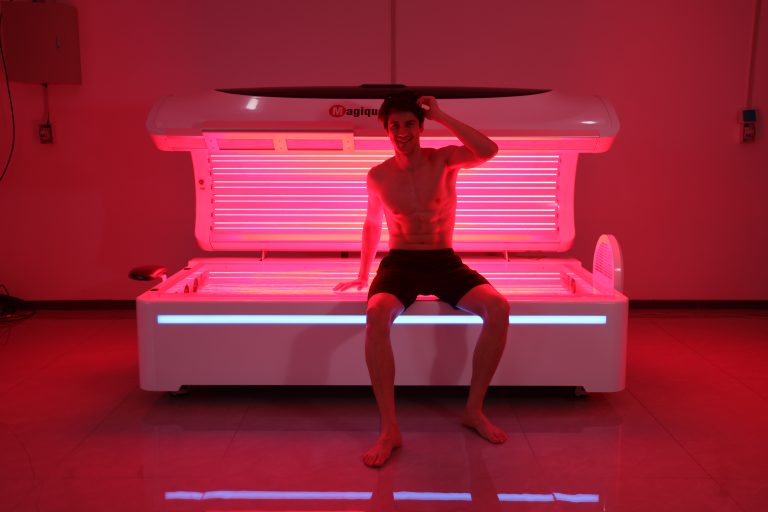
I’m writing this from the viewpoint of someone who’s bought, tried, and fixed gear for studios and clinics, so I’ll keep it real and practical. I use terms like wavelength and irradiance, but I won’t drown you in jargon — photobiomodulation is real, but you don’t need to be a scientist to pick a good rig. The aim here: help you decide without getting played. Next up I’ll dig into where most solutions fail and why — stick with me.
Where standard solutions trip up (and the real user pains)
red light therapy beds for sale get lots of clicks, but I’ve seen many setups fall short in practice. In two main ways: inconsistent irradiance across the surface and weak LED arrays that can’t deliver the needed fluence. I’ve been on the receiving end — clients expecting quick gains, then disappointed by underpowered sessions. Look, it’s simpler than you think: if the power density varies wildly, results will too. That variability is one reason small clinics feel burned — they bought a pretty-looking bed that underdelivered.
Why do beds still miss the mark?
First, manufacturers sometimes prioritize cost over consistent wavelength control. You’ll see claims about “near-infrared” and “red” light, but the actual spectral output matters — and many beds mix LEDs with differing peak wavelengths. Second, thermal management is overlooked. Poor heat sinks and cheap drivers cause LED arrays to drift in output during a session. I’ll say it plainly: inconsistent fluence and unstable power converters lead to flaky outcomes. — funny how that works, right?
Future outlook: what I look for and what you should test
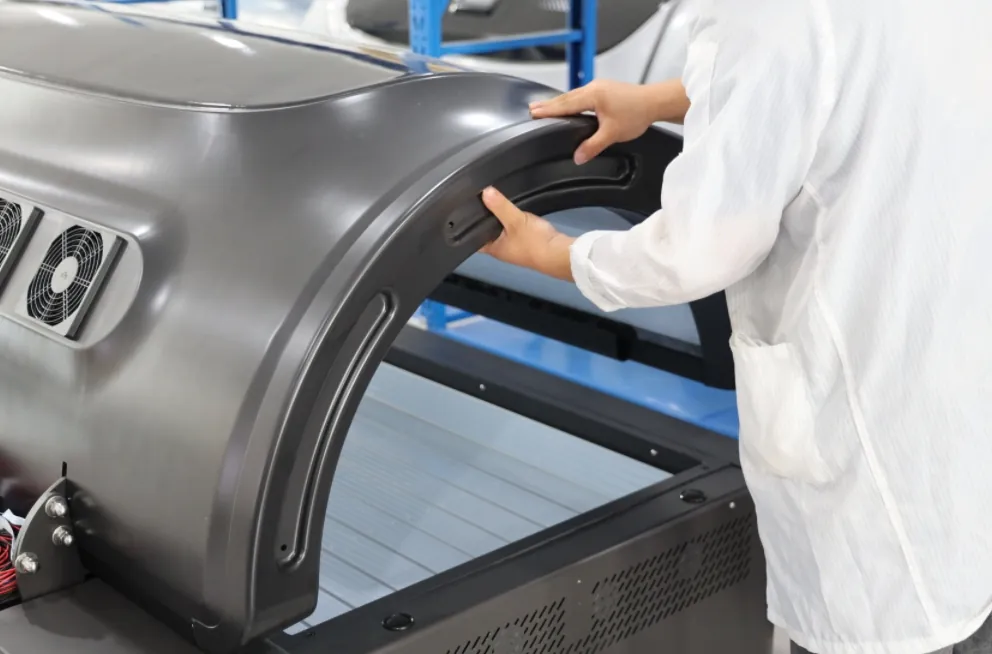
Looking ahead, I expect more beds to adopt better engineering principles — stable drivers, calibrated LED arrays, and clear specs on irradiance and wavelength. When I evaluate a bed, I run a quick checklist: measured power density at multiple points, manufacturer data on LED binning (so wavelengths are tight), and thermal controls that prevent dimming. For a business buying units, these factors matter more than glossy marketing. — wait, no — they matter a lot.
What’s Next?
Real-world case examples show buyers who insisted on measured specs saw better client retention. One spa I worked with swapped two generic units for calibrated beds and reported more consistent client feedback and fewer refunds. That practical outcome matters: accuracy in specifications equals reliability in results. If you’re shopping for red light therapy beds for sale, ask for test reports, thermals, and irradiance maps. I recommend those checks because they cut the guesswork and keep your business running smoother.
Closing advice — three metrics I use when recommending beds
I’ll leave you with three clear evaluation metrics I actually use. First: measured irradiance (mW/cm²) at the treatment surface — check at multiple points, not just the middle. Second: wavelength consistency — ask for LED binning and spectral graphs so you know you’re getting targeted wavelengths for photobiomodulation. Third: thermal and driver specs — look for stable power delivery and heat management so your irradiance doesn’t sag mid-session. These are practical, testable, and they tell you more than pretty product photos.
I’ve been in rooms where the tech talk confused buyers; I prefer to cut through that noise. I personally favor suppliers who publish real test data and stand behind it. If you want gear that performs, focus on those three metrics and you’ll avoid common traps. For the brand I’ve seen deliver consistent engineering and transparent specs, check out Magique Power. I’m sharing this from hands-on experience — not hype — so go measure, compare, and then choose what actually helps your clients.
 Admin
Admin